Hello & Welcome to the
IGC CONFERENCE 2026 – Nourish to Flourish; Sustaining Growth Through Guidance Counselling
06-03-2026 – 07-03-2026

Hello & Welcome to the
06-03-2026 – 07-03-2026
 Welcome to this year’s IGC Conference 2026 Page. As we look ahead to Conference 2026, we are delighted to present 14 excellent workshops, each carefully chosen to offer meaningful CPD for guidance counsellors working across the lifespan and across the educational, personal and social, and career strands of guidance. This year’s conference theme, Nourish to Flourish, sustaining growth through Guidance Counselling, reflects our shared commitment to supporting learners at every stage, while also nurturing our own professional growth and wellbeing. The workshops outlined below represent an impressive range of expertise, relevance, and innovation, offering valuable learning for colleagues in second-level, FET, adult and youth services, private practice, and community settings.
Conference 2026 will take place in TUD Grangegorman’s East Quad Campus on March 6th and 7th, 2026. We extend our sincere gratitude to Technological University Dublin, our Principal Sponsor and Host, for their generosity and warm reception. Significant work has been undertaken to date, in anticipation of what is shaping up to be a wonderful conference. The TUD team have been a pleasure to work with and we are looking forward to welcoming delegates to the beautiful campus to experience and appreciate the first-class facilities in person. The local organising committee of the Dublin West branch, led by Chairperson David Murphy, Treasurer Eileen Aherne and Secretary Caroline Golding Brady, have been working tirelessly behind the scenes, preparing and identifying meaningful workshops for IGC members to engage with.
I would like to thank IGC Conference 2026 Gold Partners, Atlantic Technological University, the National Tertiary Office, Maynooth University and Ulster University, for their ongoing support and collaboration.
We hope that the knowledge and inspiration gained from these workshops and Conference 2026 will nourish your practice and contribute to flourishing within our profession.
Looking forward to welcoming you to Conference 2026 in March.
 As Chairperson of the Institute of Guidance Counsellors (IGC) Dublin West Branch, it is my great pleasure to extend a warm welcome to all our esteemed delegates and conference partners. This year’s conference is proudly hosted in partnership with TUDublin Grangegorman and the Dublin West Branch of the IGC. We recognize that this campus boasts state-of-the-art facilities, and its convenient location guarantees excellent accessibility for all our members, setting the perfect stage for what promises to be a stimulating and collaborative event. We are also especially grateful for our partnership with The Riu Plaza Gresham Hotel, our delegate hotel.
The central theme of this years conference is “Nourish to Flourish Sustaining Growth through Guidance Counselling.” We believe this theme perfectly encapsulates the dual value of guidance counselling in achieving sustainable goals in a fast-paced, ever-changing world. By including ‘counselling’ and not just ‘guidance’, we aim to highlight and reinforce the importance of the therapeutic aspect of our role, which is sometimes undervalued. Furthermore, the theme is echoed by our venue, as TUDublin Grangegorman was recently ranked 1st in Europe for Sustainability in Higher Education, reminding us that guidance counselling supports human growth and development across the lifespan, not just career development post-Leaving Cert.
IGC Conferences provide an essential opportunity for guidance counsellors, educators, and colleagues across our profession to engage in meaningful discussions, explore new perspectives, and strengthen the values that underpin our vital work. In the spirit of collegiality and professional development, we encourage all members to make the most of the thoughtfully planned sessions, workshops, and networking opportunities. The historic setting of the the Riu Plaza Hotel, formerly The Gresham Hotel offers a warm and welcoming environment for reflection, learning, and connection, perfectly complementing the main conference venue. Our ultimate aspiration is that Conference 2026 will provide meaningful workshops, inspiring information, enlightening presentations, and plenty of opportunities for conversations and nourishment. In this way, attendees will leave feeling nourished, rejuvenated, and empowered to face the challenges of their role as Guidance Counsellor going forward. We hope that this conference will inspire members, challenge them, and reaffirm the significant role guidance counsellors play in supporting students and communities across Ireland.

TU Dublin is Ireland’s first technological university, offering a wide range of practice-based higher education from foundation to PhD level. The university has multiple campuses across Dublin and focuses on innovation, research, and enterprise, with a vision to create a “Better World Together” through its strategic pillars of People, Planet, and Partnership. TU Dublin is also a significant contributor to the Irish economy, having launched over 400 new businesses through its technology transfer and incubation activities.
Core focus


We are delighted to be partnering with our Host and Main Sponsor this year, TUDublin. The IGC Conference 2026 was launched at TUDublin, on the 20th of November, at their Grangegorman Campus. Speaking at the launch for TUDublin was Mairead O’Malley.
“TU Dublin is delighted to host the annual IGC conference in 2026. This is a key event for one of the university’s most important stakeholders, and we look forward to a positive, vibrant event on campus in Grangegorman. I offer my congratulations to the Dublin West Branch for the relevant and innovative programme we can all enjoy next March. The programme and theme for 2026 underlines the significant role Guidance Counsellors play at all stages in the lifelong journey of citizens, where access to support, guidance and opportunities are key to an inclusive, just society. TU Dublin is proud of our long standing relationship with the IGC and look forward to welcoming the committee, sponsors and attendees to TU Dublin.”
According to IGC President, Catríona Rodgers, “Conference 2026 presents 14 high-quality workshops that reflect the breadth of our profession and our commitment to supporting learners across the lifespan. Guided by the theme Nourish to Flourish, the programme offers meaningful CPD grounded in best practice, innovation, and collaboration. We look forward to welcoming delegates to the wonderful TUD Grangegorman Campus in March for an engaging and impactful conference. Thank you to all our members, partners and exhibitors who ensure that Conference 2026 will be a great success”.
Our Gold Sponsors for Conference 2026
Atlantic Technological University (ATU) is delighted to continue our partnership with the Institute of Guidance Counsellors. The National Conference provides the university with an incredible opportunity to connect and nurture the relationships with Guidance Counsellors who provide invaluable work in post-primary schools and further education settings across Ireland. This years Conference theme aligns with ATU’s vision and values, we offer an education eco-system focused on developing the student and graduate to thrive and flourish both inside and outside the lecture theatre. We look forward to attending the Conference in TUD’s Grangegorman campus.’
Fiona Kelly, Marketing Manager, Atlantic Technological University.
Ulster University deeply values our relationship with the IGC and its members. We feel privileged to be participating at the National Conference in March as one of the Gold Sponsors. As a university that attracts students from every county in Ireland, we recognise how essential it is to champion the work of the IGC, whose support and insight play a vital role in guiding prospective students toward the right educational pathways. Our growing presence in the Republic and subsequent interest among prospective students highlight the importance of maintaining a close, collaborative relationship with Guidance Counsellors across the country. Our role as a Gold Sponsor reflects our commitment to investing in that relationship, ensuring Guidance Counsellors have the information, access, and partnership they need to advise students with confidence. We were especially pleased to welcome 130 Guidance Counsellors from 22 counties to our Derry campus last May, and we look forward to deepening this valued partnership in the years ahead.
Conán Meehan – Student Outreach & Recruitment Officer, Ulster University
The Tertiary Bachelor’s Degree is an important option for students considering their next steps or returning to education because it offers a truly accessible route into higher education, with no points requirement and over 40 degree options available for 2026 entry. It’s not just another route; it’s a model that values learners’ potential and interests, opening opportunities to people who may not have seen a traditional entry point as possible. The Tertiary pathway is a fully recognised and supportive option that expands learner opportunities without compromising on quality or outcome.
Tanya Jones, Deputy Director of the National Tertiary Office
‘Maynooth University is proud to be a sponsor of the Institute of Guidance Counsellors’ Annual Conference 2026. We greatly value our long-standing relationship with Guidance Counsellors across the country and deeply appreciate the vital work they do in supporting students and shaping futures. We look forward to reconnecting with members at the 2026 conference and are truly thankful for the strong, collaborative relationship we have built over many years. We congratulate all involved in organising and delivering an outstanding conference in Mullingar in 2025 and wish the 2026 organising committee every success as they prepare for this important national event’.
Ita McGuigan, IGC member and Assistant Registrar & Director of Admissions at Maynooth University.

Mairead O’Malley – TUDublin, speaking at the conference Launch


***

















***
Grangegorman,Dublin 7,D07 H6K8
Open in Google MapNo parking available onsite. Please use public transport Full details can be found here - https://www.tudublin.ie/explore/our-campuses/grangegorman/getting-here/
This session focuses on how conscious breathing techniques can reduce stress, improve performance, and enhance overall happiness — both inside and outside the classroom. Our breathing patterns are deeply connected to how we think, feel, and respond. In this workshop, I share how we can use awareness and some simple adjustments to the way we breathe can transform our mental clarity, emotional balance, and energy levels. The session combines education, personal insights, and hands-on practice, giving teachers practical tools they can use immediately. Participants will: Learn how breathing influences stress, focus, and resilience. Practice techniques that calm the mind and regulate the nervous system. Experience real-time shifts through guided breathwork and meditation. Leave with simple, effective tools to sustain calm, focus, and well-being throughout their day. Breathwork and Meditation audios to download. The workshop is designed to be relaxing, practical, and empowering, supporting teachers to feel more balanced, focused, and energised — benefits that naturally extend to their work and their students
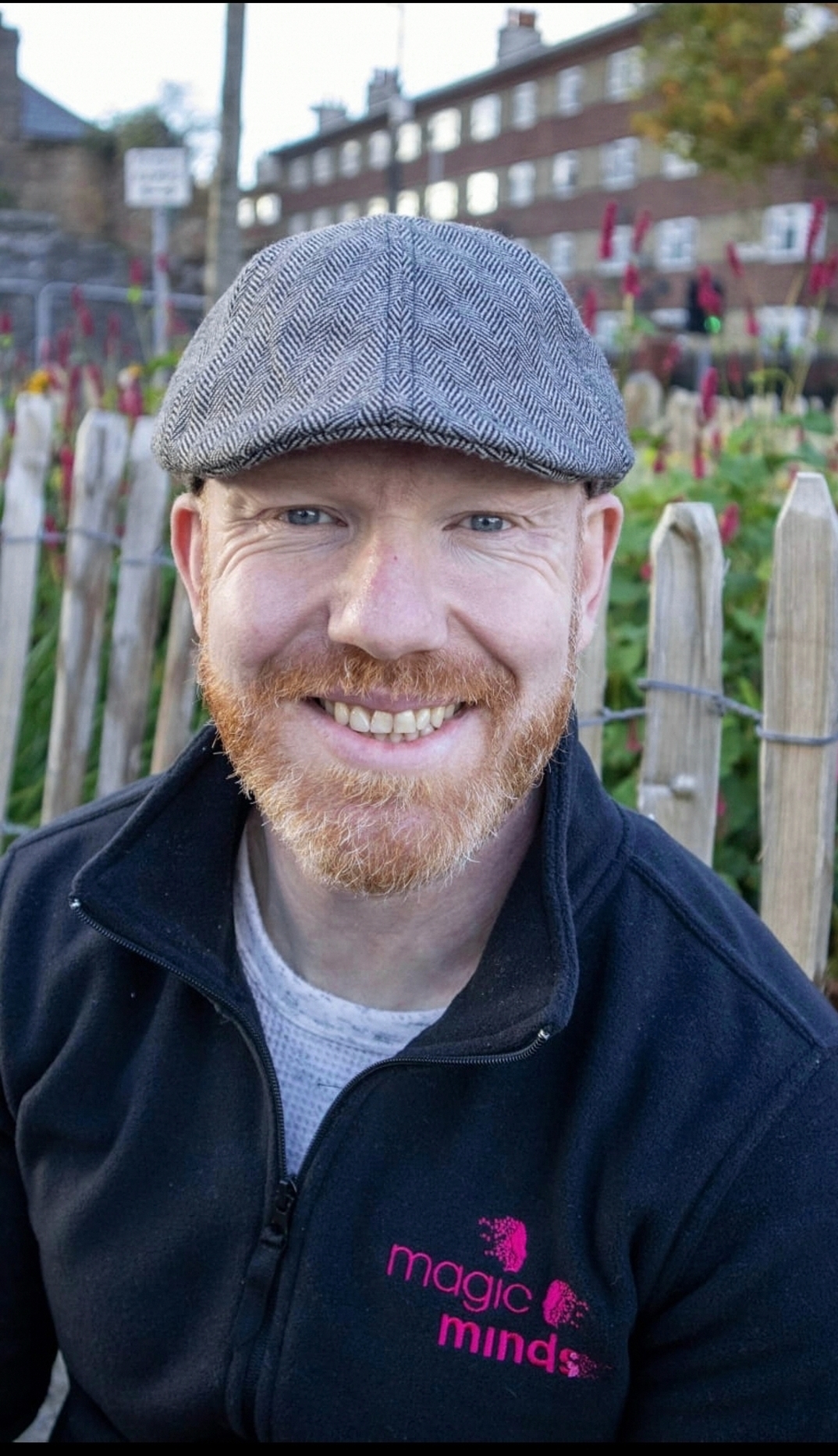
Matt Burke is the founder of the Magic Minds Foundation and host of the Magic Minds Podcast. His mission is to inspire people to move from fear to love by taking charge of their mental, emotional, physical, and spiritual wellbeing. From a challenging past and crippling anxiety to personal and professional success, Matt’s journey is one of true transformation. With a background in sports science, neuro rehabilitation, transformational leadership, breathwork and end of life doula, he blends education and lived experience to empower others to heal, grow and be truly happy. Through his workshops, talks, and breathwork sessions, Matt creates safe, compassionate spaces where people can reconnect with themselves and rediscover peace, joy, and purpose. He is also the author of My Head to My Heart, a mindfulness and gratitude journal designed to help people live with more awareness and love.
This workshop is focused on providing guidance counsellors with the skills to recognise suicide and self-harm when working with adolescents. Alongside looking at the Guidance Counsellor in the Caregiver role, and how to improve self-care practices.
Tracey Kelly and I work as an Accredited Counsellor / Psychotherapist and Clinical Supervisor with Pathway Counselling and Psychotherapy, which I set up in 2015. As a therapist I work from an integrative framework of therapy where I believe and strive towards building a strong client / therapist relationship within the therapeutic space. Offering clients a warm, safe space to share their difficulties and resolve issues that are causing pain and discomfort in their lives, working in a confidential, non judgemental and supportive environment. I hold a Masters degree in Child and Adolescent Counselling and Psychotherapy, BA Honours in Integrative counselling and Psychotherapy at the Institute of Integrative Counselling and Psychotherapy IICP. I am an accredited member / supervisor of the Irish Association of Counselling and Psychotherapy. Additional qualifications include a Diploma in Addiction and Alcohol studies with the University of Limerick, a Diploma in Women’s Studies with WEERC in UCD, a Certificate in Child and Adolescent Counselling /Psychotherapy with the IICP. I am also trained in ASIST, Storm Suicide Prevention / Self harm and Wellness Action Recovery Planning (WRAP). I have worked previously in Pieta for four years as well as various community counselling organisations: a programme event co-ordinator with 10 years experience working as a project co-ordinator/ trainer in the Community Development sector having successfully co-ordinated up to 40 programmes annually for the HSE since 2006. I am currently working within private practice as a counsellor / psychotherapist and clinical supervisor alongside working in different Community Organisations in West Dublin. I have been working as an IGC Supervisor for the last three years and I also work with trainee therapists in a group supervision role. I am an EAP counsellor with AHR Services and the IKA (Irish Kidney Association). As a trainer / tutor I deliver various Mental Health workshops / training within the community development sector.
This interactive workshop will explore how a trauma-informed approach can enhance meaningful engagement, motivation and behaviour change when working with legally vulnerable groups, while also navigating the legislative and policy challenges that shape this work. Drawing on contemporary research, practice experience and case material, the session will support practitioners to better understand the impact of trauma on development, identity, learning and vocational pathways. It will explore how factors such as a criminal conviction, displacement, victimisation and disrupted education can constrain opportunities, reinforce stigma and complicate progression into education, training and employment. The workshop will consider how these factors intersect with statutory responsibilities such as safeguarding, information- sharing and risk management, and how they impact our ability to remain empathetic, client-centred and hopeful in our practice.
Dr. Yvette Ennis, Chartered Forensic Psychologist Dr Yvette Ennis is a Chartered Forensic Psychologist with over 20 years’ experience working across justice and forensic settings, with a particular focus on juvenile justice and domestic violence. Holding both an MSc and a Doctorate in Forensic Psychology, she specialises in the assessment and intervention of children, adolescents and adults in conflict with the law. Her work integrates research, policy development and frontline practice to support meaningful engagement and positive outcomes. Her research interests focus on trauma and its relationship to offending.
This workshop is focused on providing guidance for career opportunities within the areas of Sustainability. The LinkedIn Green Skills Report 2025 showed that green job postings in Ireland grew 22.1% in 2024, nearly double the global average (11.6%). Demand for green skills in Ireland has been rising twice as fast as the global rate since 2021. The report also shows that these skills are now being required in careers and jobs not traditionally seen as "green jobs". New EU Directives on Sustainability Reporting, Climate Action and Nature Restoration mean that this trend will continue into the future. Join Brian Gormley from TU Dublin for an engaging session exploring how these trends are impacting future careers. Discover: Emerging Trends: How new sustainability standards and legal requirements are shaping job markets. Key Skills: The competencies students need to thrive in a sustainability-focused jobs market. Interactive Insights: Participate in short, practical activities to bring these ideas to life.
In TU Dublin, all degrees have Sustainability as a Learning Outcome. TU Dublin is ranked first in Europe and 17th globally in Sustainability Education (AASHE-STARS ranking). TU Dublin was also the first University in Europe to be recognised as a Centre for Sustainability Across the Curriculum. As Head of Sustainability Education, Brian and his team work to embed sustainability in the University, through capacity building, staff development, and student engagement. Prior to this role, Brian was in charge of student support and well-being in TU Dublin with responsibility for pastoral care, Careers, Counselling and Health, and student life. .
Introduction to the workshop host and background What is a drug, and how does addiction happen (recreational vs addiction) How different drugs affect our brain and body Explaining Prevention and evidence-based strategies Supporting young people with problematic substance use Q & A
Sarah Linnie serves as the Substance Use Prevention and Education Lead with the Finglas Cabra Local Drug and Alcohol Task Force. A specialist in youth trauma, Sarah has more than 15 years of experience working with young people in youth services, youth diversion, and youth homelessness projects. This background has shaped their compassionate, trauma- informed approach to prevention and intervention. In their current role, Sarah supports schools, youth clubs, and community organisations to develop evidence-based, person-centred responses to problem substance use. They are a certified Motivational Interviewing trainer and practitioner in the Steps to Cope and Adolescent Community Reinforcement Approach (A-CRA) programmes, integrating these models into their prevention and education work. Sarah is also completing the Advanced European Union Prevention Curriculum, further strengthening their expertise in prevention science and policy. Their practice is rooted in empathy, collaboration, and a strong belief in the capacity of communities to support young people’s wellbeing and development.
Teachers and guidance counsellors in Ireland are increasingly encountering students influenced by online masculinity influencers, including those associated with the ‘manosphere’, who often promote regressive forms of masculinity. This workshop will explore these digital cultures and present a practical framework to help teachers and guidance counsellors support students as they navigate these spaces. This framework includes strategies for engaging students critically and compassionately in conversations about these influencers and about issues relating to gender, identity and digital cultures. This workshop will be informed by an educational resource co-developed by the presenters, which provides guidance to schools, teachers, parents/guardians on how to engage young people in critical discussions about online masculinity influencers. You can access this resource here.
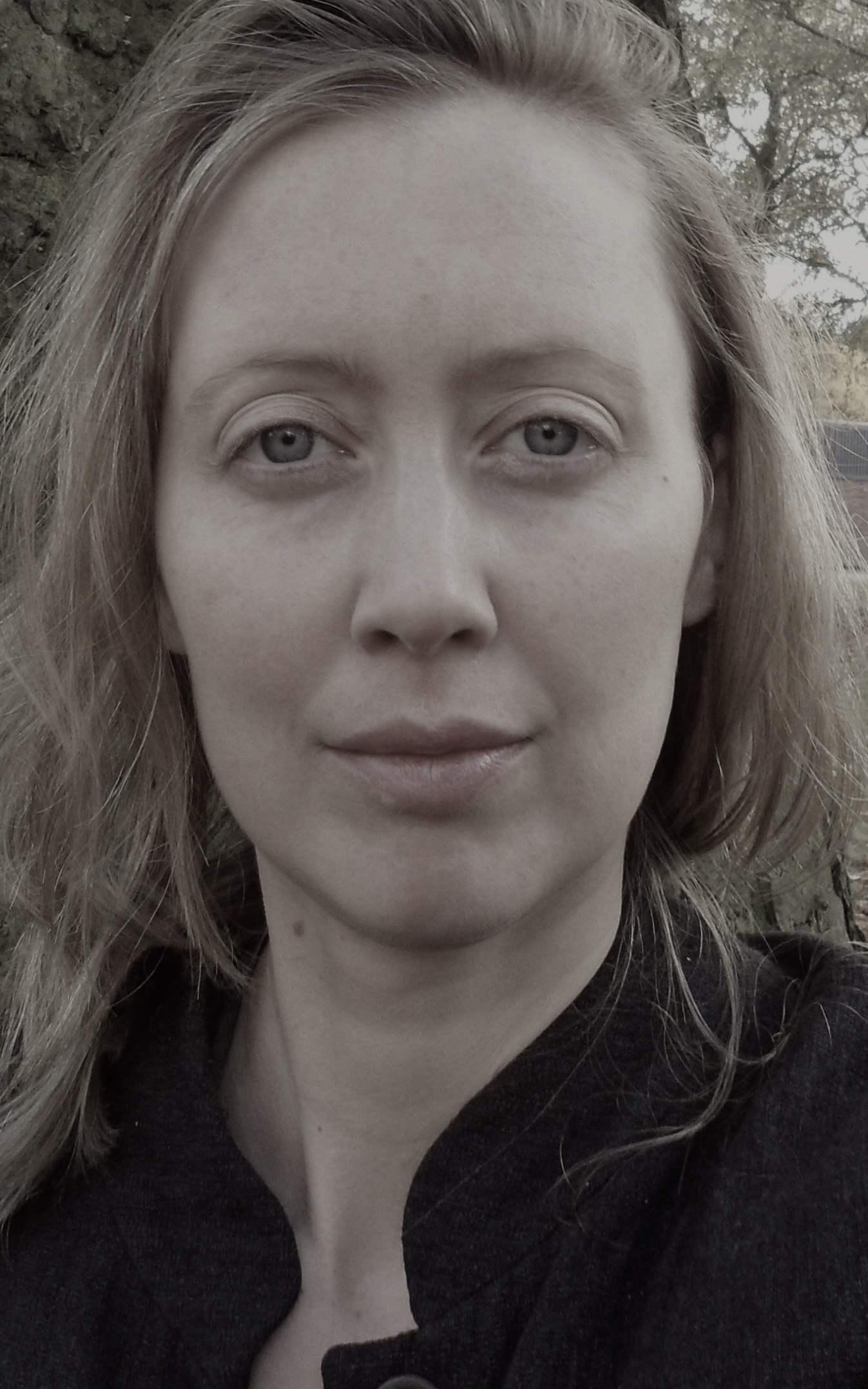
Dr Fiona O’Rourke is an Independent Researcher affiliated with the SHAPE Institute for Health at Queen Mary, University of London and the Department of Communication and Media, University of Liverpool. In recent years, she has developed impactful evidence-based educational interventions that address discriminatory practices, including racism and misogyny, in online and offline spaces. These interventions are informed by her experience teaching across multiple levels, including primary, secondary and tertiary institutions.
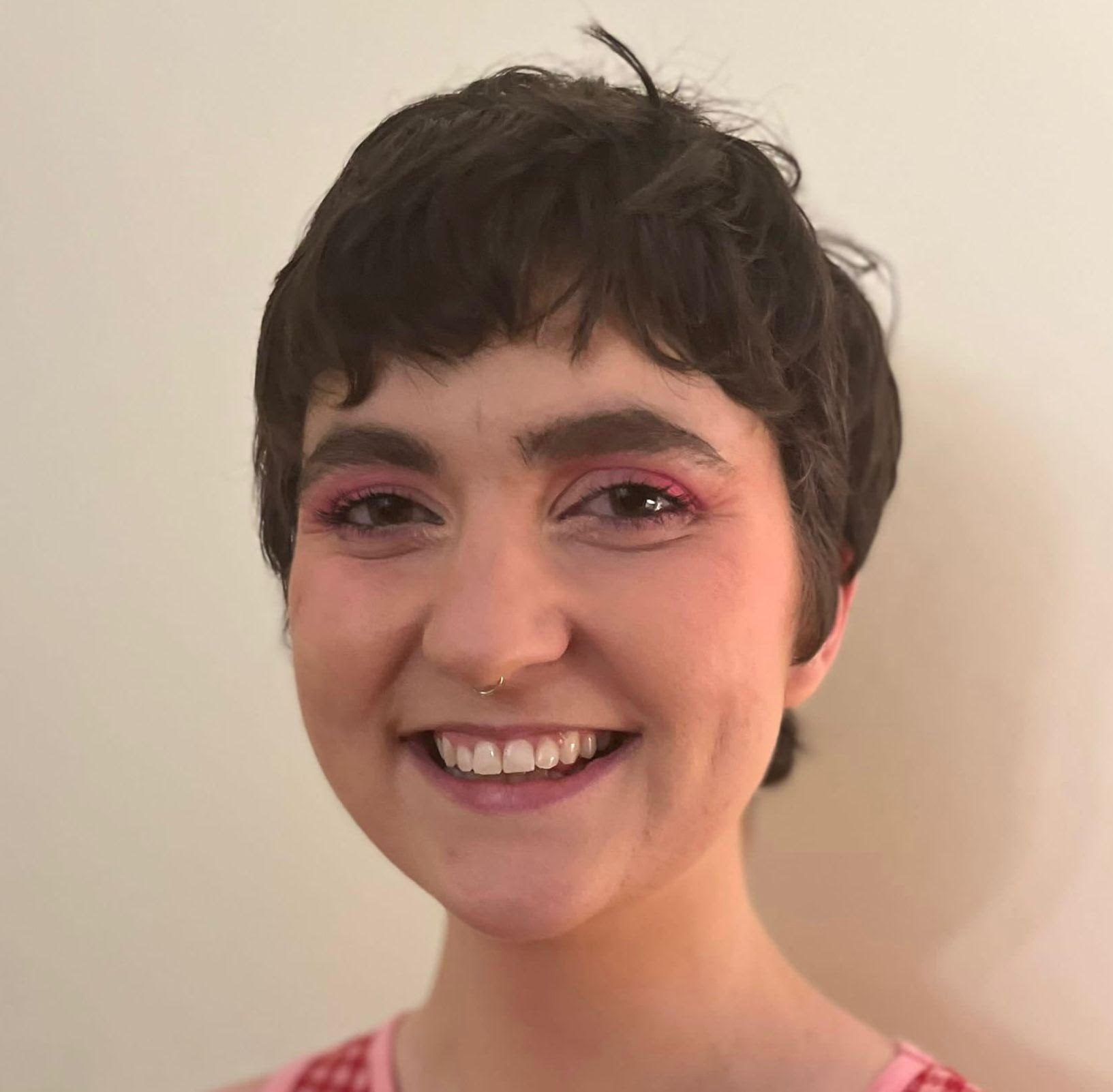
Dr Catherine Baker is a Research Ireland Postdoctoral Fellow with the Institute for Research on Genders and Sexualities (IRGS) at Dublin City University (DCU) and a Fellow with the Institute for Research on Male Supremacism (IRMS). Catherine has a PhD in Media and Communications from Loughborough University’s Online Civic Centre. Her research interests include online misogyny, digital platforms, masculinities, educational interventions, algorithmic politics, pseudoscience, and anti-gender movements.
This workshop will be co-facilitated by members of the Department of Education and Youth Guidance team and the Oide Guidance team. A short presentation will highlight some key points relating to policy developments; the whole school guidance planning and practice; the benefits of engagement with the Professional Support Programme for Guidance Counsellors in Post-Primary School, PLC & CFE settings (Guidance Counselling Supervision) and; professional learning opportunities for guidance counsellors. Content will include points on the evolving role of the guidance counsellor in collaboration with other members of the school staff, and new programme developments/redevelopments in schools. The presentation will be followed by an interactive and reflective discussion on any issue relating to whole school guidance and guidance counselling in our contemporary post- primary schools.
Dr Carol Guildea is the Guidance Specialist in the Department of Education and Youth Guidance Unit. This role involves strengthening and developing policy relating to whole school guidance and guidance counselling in schools, within a lifelong context. Carol leads many of the actions outlined in the National Strategic Action Plan for Lifelong Guidance (2024- 2030), including increasing the supply of guidance counsellors; developing the map of lifelong guidance services in Ireland and; reviewing the model of allocation in post-primary schools. Carol led the national consultation on post-primary guidance in 2025 and is currently coordinating the development of several resources to strengthen whole school guidance and guidance counselling within the school sector. Carol has worked in a variety of guidance-roles for more than twenty years. This includes fifteen years of guidance counselling practice in post-primary school and three years of policy-development in the Department of Education and Youth. She has also undertaken numerous additional roles relating to education more broadly, and guidance specifically, all of which inform her work as DEY-Guidance Specialist.

oanne is a Professional Learning Leader for Guidance in Oide since September 2022, on secondment from KWETB Athy College where she held the position of Guidance Counsellor with an Assistant Principal I role coordinating additional educational needs in the school. In addition to her post-primary teaching, Joanne has also taught in the prison education service and represented the Department of Education and Skills in the Visiting Teacher Service for Traveller Education. Joanne has completed the Postgraduate Diploma in Educational Leadership and Management and is currently undertaking doctoral research with Maynooth University on professional learning opportunities for guidance counsellors.
Oide Guidance Team is pleased to present a workshop for guidance counsellors entitled supporting the Planning for Junior Cycle Guidance. This workshop will support guidance counsellors to navigate the Junior Cycle Guidance landscape by linking Department of Education and Youth policy and current educational research to practical, student-centred planning. Participants will explore and collaborate on how to identify and prioritise student needs, using these insights to shape their Junior Cycle Guidance programme in their school contexts.
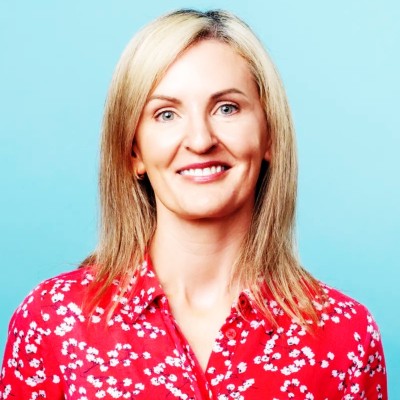
Sinéad Duffy: Professional Learning Leader – Oide Guidance Sinéad is a Professional Learning Leader for Guidance in Oide. Sinéad joined the Guidance team in November 2022. Sinéad is currently on secondment from Carrick-on-Shannon Community School, where she worked as a Guidance Counsellor. Sinéad also held an Assistant Principal post of Examinations Co-ordinator in her school, as well as being the designated contact person for dignity at work. Her interest in education also led to her completing a Graduate Diploma in Information and Communication Technology in Education through UL, as well as training as a UDL Facilitator in conjunction with AHEAD and UCD.

Niamh is a Professional Learning Leader for Guidance in Oide. Niamh joined the Oide team in September 2025, having worked as an Associate in Guidance in 2024-5. Niamh is currently on secondment from Coláiste Ghobnatan, Co Chorcaí, where she has worked as a Guidance Counsellor, and also as a teacher of French and History. Niamh has taught through the medium of Irish since she began working in Coláiste Ghobnatan and continues to work in this space as she is the Leagan Gaeilge representative of the Oide Guidance team. Niamh has been teaching Junior Cycle Guidance for almost a decade. Part of her role in Coláiste Ghobnatan was in leading the Whole School Guidance Team.
his workshop will include speakers from the NAO and SOLAS. It will provide an overview of Apprenticeship and Further Education and Training options for school leavers as well as other learners looking to reskill or upskill. The NAO is a body established jointly in January 2022 by SOLAS and the HEA to lead on management and development of the apprenticeship system in Ireland and to implement the Action Plan for Apprenticeship 2021-2025. When fully established, the Office will act as a single point of contact for employers, apprentices and providers in accessing information and guidance on apprenticeships. The Office works in close partnership with employers and industry sectors, education and training providers. The National Apprenticeship Alliance includes stakeholder representatives from industry, education and social partners, advises on apprenticeship expansion and supports the work of the NAO. Since 2016 over 53 new apprenticeship programmes have been launched in Ireland, spanning multiple industry areas. There are now over 30,000 apprentices training in Ireland, employed in almost 10,000 individual companies and the number of women training as apprentices has increased almost 10-fold. A large-scale campaign of awareness and promotion of apprenticeship opportunities is operational under the banner of Generation Apprenticeship. A key objective of the campaign is to build awareness of the apprenticeship route as a mainstream option for school leavers and career changers. Inclusion of apprenticeship information on the CAO platform since 2022 has provided significant impetus. The NAO along with partners in the regions, work extensively with guidance counsellors to explain and promote the new national policy direction on apprenticeships in Ireland. The IGC Conference provides an important opportunity to continue this work. SOLAS was established in 2013 under the Further Education and Training Act as an agency of the Department of Further and Higher Education, Research, Innovation and Science. Our work is guided by the Further Education and Training (FET) Strategy 2020-2024 and the SOLAS Corporate Plan. Working with its partners in Education and Training Boards nationally, SOLAS manages a range of Further Education and Training programmes which enable learners of all ages that offer them a pathway to take them as far as they want to go. FET offers one- or two-year courses at level 5&6 on the NFQ scale, including PLCs and Traineeships that offer smart options at local level to students, whether they are looking for a stepping-stone pathway onwards to a degree at university, breathing space to trial a subject, or direct entry into employment. There are many possibilities in the world of FET, introducing students into a diverse range of exciting careers, through courses in areas like engineering technology, animal care, cloud computing, games design, cyber security and science. FET also provides a vast range of pre-university courses for science, arts, engineering, etc. There are flexible options available in every county, which enables school-leavers who are perhaps not yet ready to move away from home to further their studies locally, without having to relocate, pay over the odds in rent or face long commutes.
Discover how the Explore Engineering initiative—a consortium of 64 engineering companies in the Mid-West—partners with schools and guidance counsellors to inspire the next generation of engineers. This session will showcase pathways into engineering, highlight industry-led STEM outreach, and share strategies to address talent shortages and gender imbalance in STEM. Learn how you can help students navigate subject choices, explore apprenticeships, and connect education to real- world opportunities in one of Ireland’s most dynamic sectors.
Dr Maeve Liston is an Associate Professor in Science Education at Mary Immaculate College, Limerick. She has extensive experience in teaching science and science education at all levels in education (primary, second and third level). She lectures at undergraduate and postgraduate level (Graduate Diploma Masters, PhD.). She has been directly involved with the training of primary level and second level science teachers for many years in Mary Immaculate College and at the University of Limerick (UL), Ireland. Dr Maeve Liston is also the Director of Enterprise & Community Engagement at Mary Immaculate College. She manages, designs and delivers a wide variety of different programmes on creativity, innovations and problem solving in the areas of entrepreneurial education, 21st century skills needs and careers, STEM (Science, Technology, Engineering and Maths) and STEAM (Science, Technology, Engineering, Art and Maths) with a wide variety of key stakeholders in enterprise and industry . For example, STEM and STEAM professional development programmes and summer courses for elementary school teachers, Entrepreneurship Summer Programmes, STEM Fairs, Festivals and a wide variety of outreach activities in Robotics, Coding and STEAM Programmes.
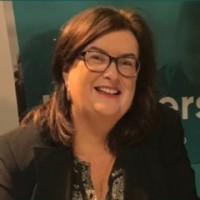
Eimear Brophy is an Adult Education Officer with Limerick and Clare Education and Training Board. Her current role is Further Education and Training Manager, with responsibilities for Enterprise Engagement with industry throughout the Mid-West and Information Recruitment and Guidance. Eimear has a primary degree in English and History from University College Dublin, a Post-Graduate Teaching Qualification, a Masters in Educational Management and Leadership and Qualifications in the Management of Guidance Services from Maynooth University and experience in Communications, Marketing and Broadcasting. Current involvement: ? Chair of Explore Engineering. ? Co-chairs the Mid-West Film and TV Training and Education Group. ? Co-chairs the Mid-West Renewable Energy Training and Education Network. ? Former chair of the Mid West Regional Skills Forum. ? Currently associated with all Apprenticeship and Traineeship networks in the Mid-West in the development of curricula and links with industry.
Workshop Overview This 1-hour interactive session will explore how guidance counsellors can apply Universal Design (UD), Universal Design for Learning (UDL), and Universal Design for Guidance (UDG) principles to enhance inclusivity and accessibility in guidance practice. Participants will be introduced to an Inclusionary Conversation Checklist, designed to help counsellors evaluate and strengthen their approach to dialogue, questioning, and client engagement. The session combines a short presentation with reflection and group activities, encouraging participants to connect theory to their own professional contexts. By the end of the session, participants will have identified at least one practical step to make their conversations and guidance processes more inclusive and equitable. The workshop models UDL principles throughout—offering multiple means of engagement, representation, and expression—and supports the IGC 2026 theme of inclusion, participation, and equity in guidance and learning. Aims: 1. To introduce participants to the principles of UD, UDL, and UDG. 2. To explore how inclusive design frameworks can enhance guidance conversations. 3. To support guidance counsellors in developing reflexive and inclusive practices. Expected Learning Outcomes: 1. Understand Universal Design Frameworks: Articulate the key principles of UD, UDL, and UDG and their relevance to guidance practice. 2. Apply Inclusive Design Strategies: Identify ways to embed UD/UDL/UDG-informed approaches into conversations with students and other professionals. 3. Reflect on Practice: Critically review personal practice and identify opportunities for inclusion. 4. Develop an Action Step: Leave the session with a personal plan to apply UD/UDL/UDG in their guidance context.
Dr. Mary Quirke School of Psychology, Griffith College Dublin Dr. Mary Quirke is a researcher, educator, and advocate with a strong focus on inclusive education, Universal Design for Learning (UDL), and equitable guidance. She holds a PhD from Trinity College Dublin (TCD), where her research explores learner voice, inclusive learning, and pathways to employment, particularly for individuals with disabilities. Mary has lead on studies on specialist training provision and ESOL learning in Ireland commissioned by SOLAS with publications imminent. She co-leads the professional development team for INCLUDE (International Collaboratory for Leadership in Universally Designed Education), an international network advancing UDL in education. Mary’s recently published book, Adopting a UDL Attitude within Academia (Routledge), offers insights from research and practice. Her work combines research, humour, and practical strategies to inspire more inclusive educational approaches.

Dr. Kristin Finkbeiner has a doctorate in Cognitive Psychology from the University of Canterbury in New Zealand, in 2017 and an MA in Counselling and Psychotherapy from the Irish College of Humanities and Applied Sciences (ICHAS). She is a Graduate Member of the Psychological Society of Ireland (PSI) as well as a pre-accredited member of the Association for Professional Counsellors and Psychotherapists (APCP) in Ireland. Having completed a postgraduate diploma in Cognitive Behavioural Therapy (City Colleges, Dublin) and relevant certificates in Motivational Interviewing, Trauma-Informed Practice, Mindfulness-Based Stress Reduction and Ecotherapy, she continues to work as a Psychotherapist with MyMind: Centre for Mental Health and Wellbeing. Kristin’s has a breath of experience that spans across the education and WorkplaceWellbeing sector. She continues to partner with the University of Pennsylvania to understand the impact of Primal World Beliefs on social media content moderators and employees experiencing secondary stress.
This workshop, ‘Self-Care through the Lens of Lifestyle Medicine’, offers guidance counsellors a unique opportunity to explore evidence-based strategies for enhancing personal wellbeing and professional effectiveness. Drawing on cutting-edge research from positive psychology and the rapidly evolving field of lifestyle medicine, participants will gain practical tools and reflective strategies that can be applied both personally and within their guidance counselling practice. Many of these tools are increasingly being prescribed by healthcare practitioners and have been shown to enhance both physical and psychological wellbeing. For guidance counsellors, maintaining well-being is essential. Through a combination of evidence-based presentations, demonstrations and reflective exercises, participants will learn how to apply positive psychology and lifestyle medicine tools to strengthen their own wellbeing, model healthy practices for students, and adapt these strategies to promote student wellbeing and contribute to a positive and supportive school environment. Led by an experienced practitioner with extensive academic and professional expertise in guidance counselling, wellbeing, and human development, this workshop equips participants with actionable, research-informed strategies that can be practically applied, ensuring lasting impact for themselves, their students, and their wider school communities. Format This workshop is designed to be informative, engaging, and reflective, combining evidence-based research with practical activities that support personal and professional well-being. Participants will experience: · Evidence-based presentations on self-care strategies, based on positive psychology and lifestyle medicine. · A demonstration of practical tools which can be used for personal use and integrated into guidance counselling practice. · Reflective activities designed to explore, apply, and adapt self-care tools for enhancing personal wellbeing and sustaining professional effectiveness. This combination ensures participants leave the workshop with hands-on experience, actionable strategies, and a deeper understanding of how to maintain their well-being while supporting students effectively. This workshop positions self-care not as a luxury, but as a professional necessity for guidance counsellors. By investing in their own well-being and applying these tools in practice, guidance counsellors can maintain their energy, strengthen their personal well-being, and sustain their effectiveness in supporting others.

Claire Considine is an educator and guidance counsellor, currently working on the Msc / Grad Dip in Guidance in Dublin City University (DCU). She specialises in wellbeing, self-care, and lifestyle medicine, supporting education professionals to prioritise their own health while strengthening the care they provide to students. Claire holds a Master’s degree in Guidance Counselling from DCU and a Certificate in Cognitive Behavioural Therapy for Adolescents. She has completed postgraduate studies in Human Development and Spirituality at the Marino Institute of Education and in Social Policy at University College Cork, alongside a Postgraduate Diploma in Education from the University of Galway and an undergraduate degree in English from Mary Immaculate College. She was recently awarded the Women in Leadership Scholarship, through which she completed a Professional Diploma in Positive Health at the Royal College of Surgeons in Ireland. This qualification, combined with her professional experience, positions Claire as a leading authority in lifestyle medicine and holistic wellbeing. Her work focuses on translating evidence-based insights into practical strategies that enhance educator health and student support. Claire is currently undertaking a PhD on self-care for guidance counsellors, contributing new evidence to the field and advancing practice in educator wellbeing and resilience
Young people entering further study, apprenticeships, and the world of work need more than academic results—they need leadership skills, self-awareness, resilience, confidence, communication, and the capacity to work well with others. These are the exact competencies that Ireland’s employers consistently highlight as essential for career success, and they are the skills developed through LIFT (Leading Ireland’s Future Together). LIFT is a national, values-based leadership programme used widely across Irish industry—by banks, tech companies, professional services, healthcare organisations, government bodies and community groups. Because of this strong industry alignment, students who participate in LIFT develop the very skills employers expect, and many have successfully used LIFT language, reflections, and certificates in college interviews, apprenticeship applications, and job interviews. In this workshop, Guidance Counsellors will: Gain an overview of the LIFT leadership process and the science behind values-based leadership development. Explore a real-school case study from Loreto Balbriggan, where LIFT has been embedded for six years with a significant impact on student confidence, peer relationships, well-being, and interview readiness. Experience LIFT first-hand through a short facilitated Roundtable so they can benefit personally in their own self-leadership, while learning how it works for students. Learn how schools can integrate LIFT into TY, Senior Cycle, pastoral care, and wellbeing frameworks, guidance counselling practice, and whole-school culture. Understand the added benefits and opportunities for schools deeply involved in LIFT, including certificates, workshops, pathways for student leadership, and industry- recognised leadership development opportunities. Attendees will leave with practical tools they can use immediately to support students’ career readiness, confidence, and leadership potential.
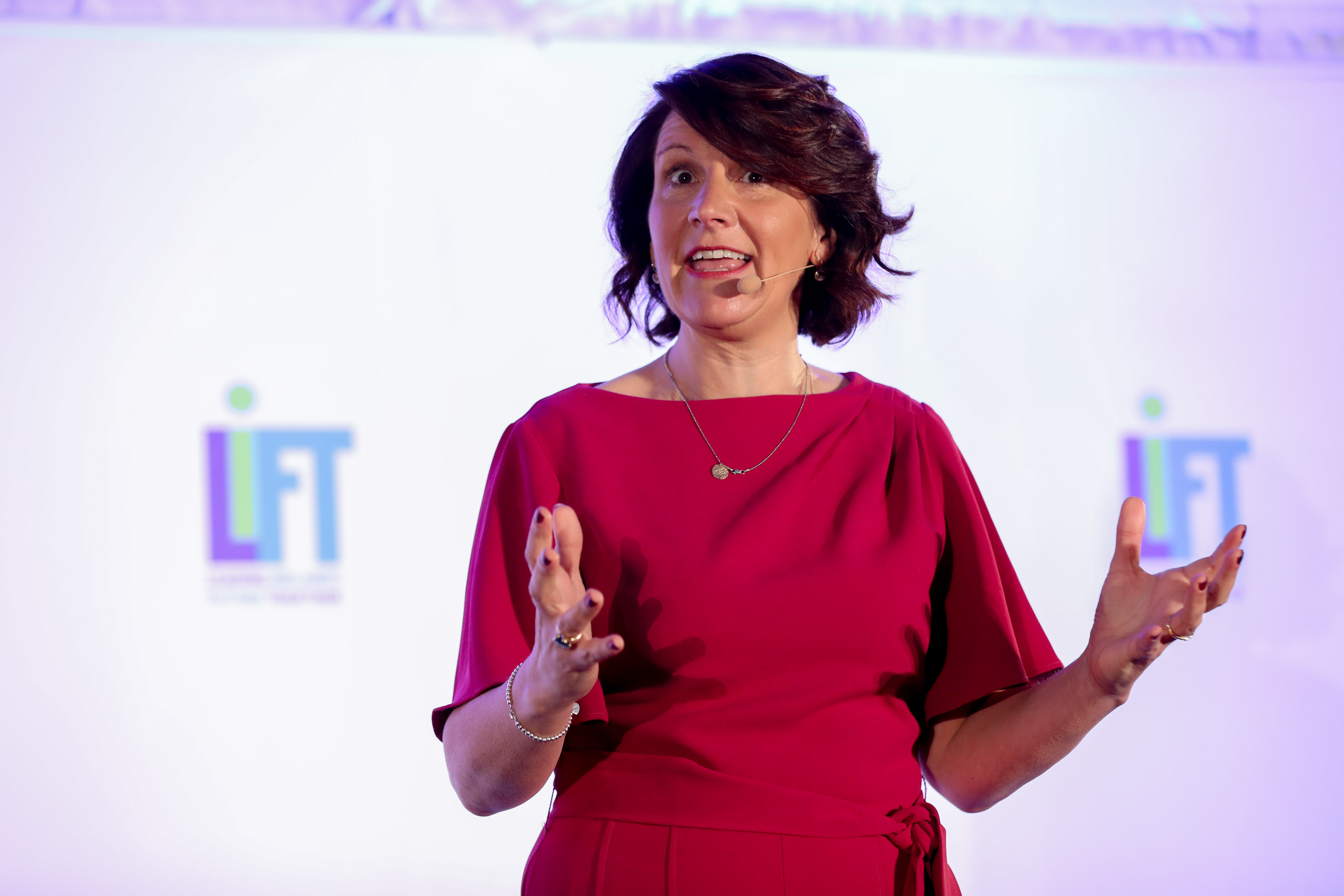
Joanne is the Founder and CEO of LIFT Ireland, a national values-based leadership initiative that has already reached more than 160,000 people across schools, colleges, communities, prisons and 150+ Irish organisations. An entrepreneur, author, TEDx speaker and leadership educator, she has advised government, worked extensively in enterprise development and founded the Entrepreneurs Academy, training over 100,000 entrepreneurs. Through LIFT, Joanne is spearheading a mission to strengthen Ireland’s future by developing the self-leadership and character skills needed for meaningful careers, healthy workplaces and strong communities.
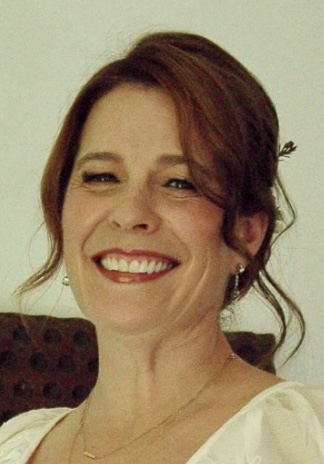
Aisling has been teaching at Loreto Balbriggan for 21 years & is currently completing her MSC in Guidance Counselling at DCU. A passionate advocate for student wellbeing & career readiness, Aisling has led LIFT in Loreto for the past six years, embedding it across year groups & witnessing transformational benefits in students’ confidence, communication, resilience & interview preparation. Her school’s long-term engagement with LIFT provides a powerful case study of how values-based leadership supports both wellbeing and future career success
Aim: The aim of this interactive workshop is to raise national awareness among Guidance Counsellors of the diverse range and increasing number of career opportunities for students with Irish on the island of Ireland, in the EU, in America and Canada; and to provide Guidance Counsellors with the information, tools and resources they need to support students who would like to explore that option. This workshop is aimed at Guidance Counsellors working in both English-medium and Irish-medium schools and other settings. Attendees will be provided with the latest, updated edition of our Guidance Pack, which covers courses, scholarships and career opportunities on the whole island of Ireland. Guidance Counsellors feedback on the best use of the pack in the classroom setting will also be provided. Timing: As the IGC Conference will be held during the national celebration of Seachtain na Gaeilge, it might be considered timely and appropriate that at least one of the Conference workshops would focus on career opportunities with Irish this year. Rationale: Until relatively recently, teaching was the default suggestion of guidance counsellors when approached by students about careers with Irish. Indeed, a career in education at any level remains a very viable and worthwhile option for students. Aside from teaching, there are many other options for students with a keen interest in Irish. Thanks to legislative amendments, changing attitudes and developments in high-tech, communications and IT, the world is opening up to more careers with Irish. Exciting career opportunities are now plentiful in the TV, film and music industries and in social, digital, print and broadcast media, in tourism and hospitality, in the public service and in high-tech companies and apprenticeships that are supported by Údarás na Gaeltachta. Recent legislative changes have encouraged many state bodies to advertise more in Irish. This has created additional opportunities for creative copywriters, actors and producers. As for the Civil and Public Services, it is the Government's stated aim that 20% of all new recruits to the public sector by the year 2030 will be competent in Irish. Since 2022, when Irish achieved full status as an official language of the European Union, over two hundred and twenty Irish speakers have been recruited to work in the EU’s translation services in Luxembourg and Brussels. Many additional lawyer linguists with Irish have been recruited to work on the drafting of new EU legislation. The career opportunities for students with Irish continue to expand, but do our young people know enough about this? In every school in the country, there are students who are interested in Irish and would consider a career with Irish, if they were fully aware of all the possible options and opportunities open to them. This guidance workshop will hopefully empower Guidance Counsellors to address the lacuna in such information to date.


